Serviceberry, Alleghany (bundles of 25)
Allegheny serviceberry
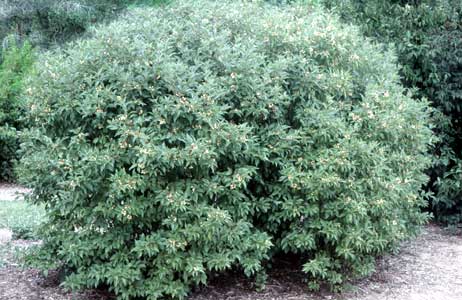
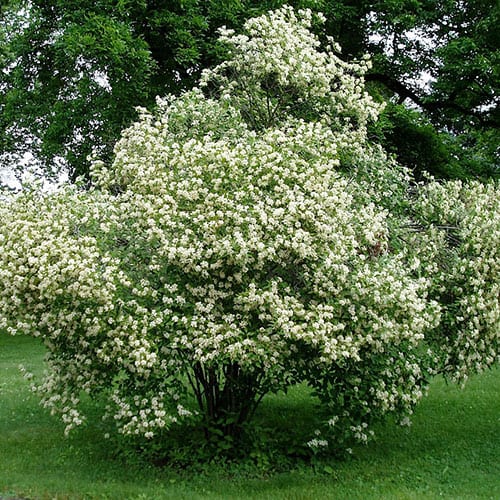
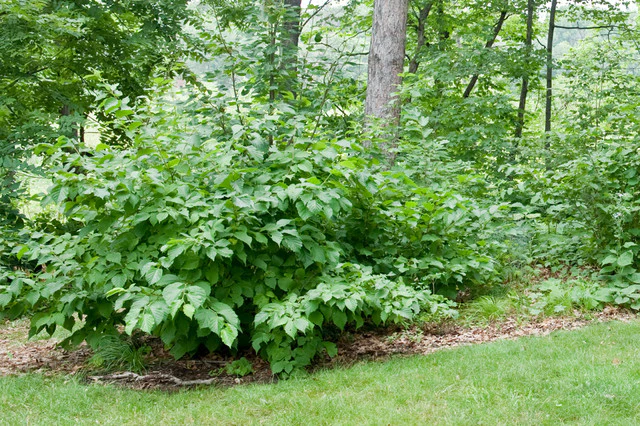
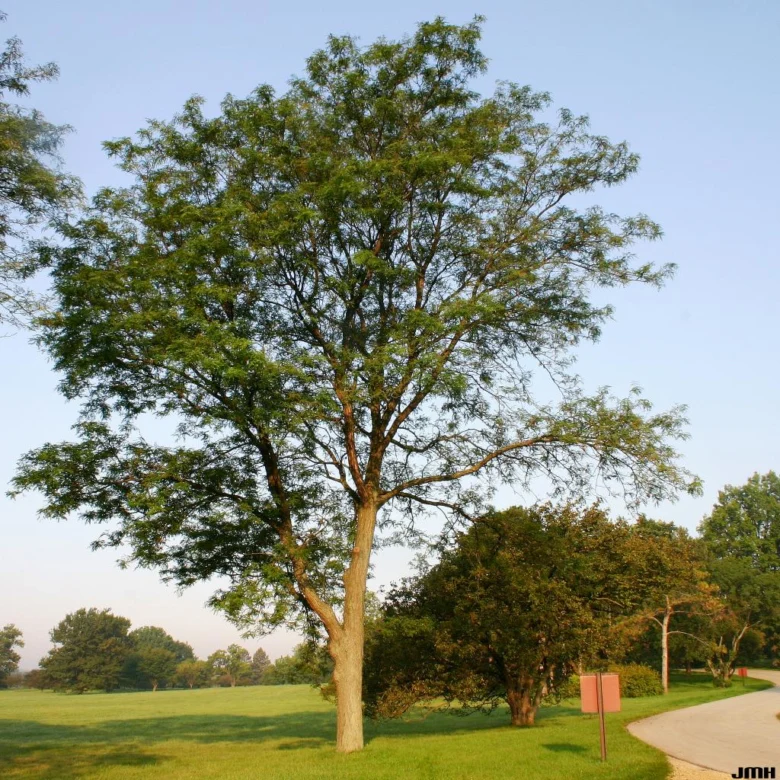
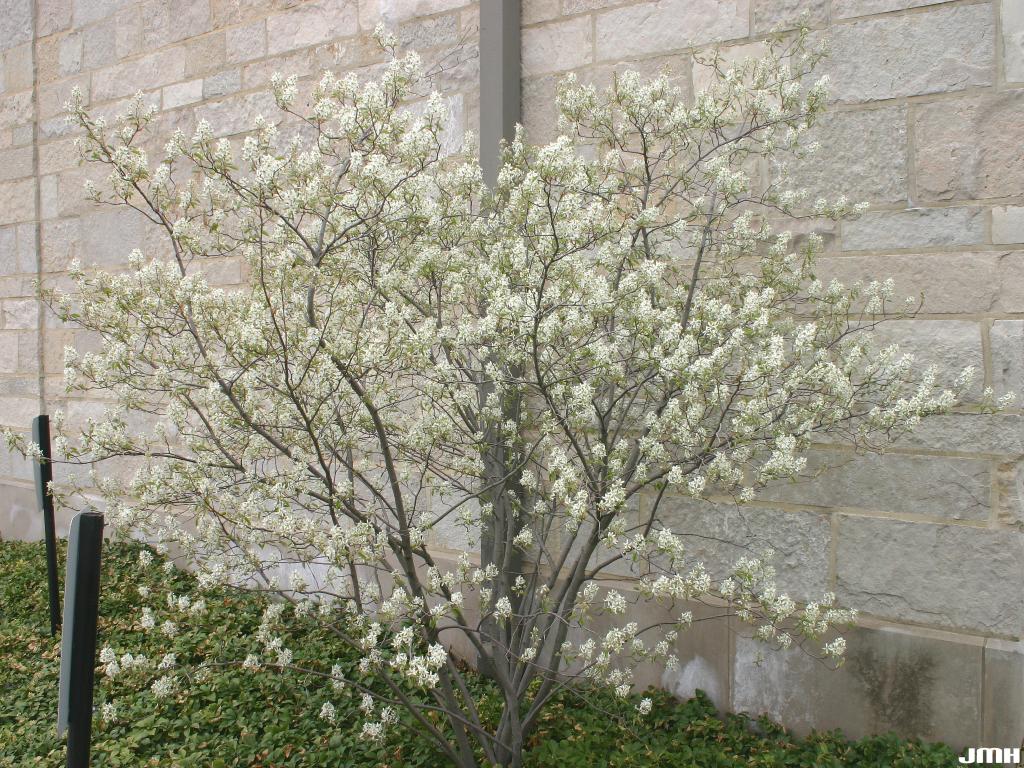
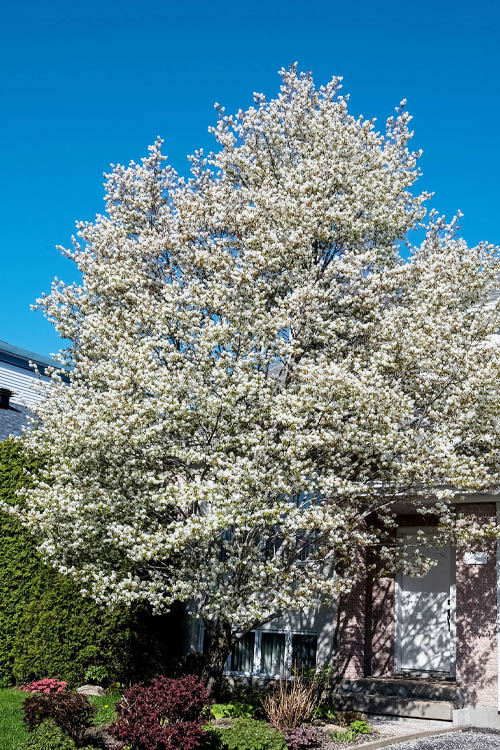
(Amelanchier laevis) is a versatile, multi-season native tree or large shrub prized for its edible and ornamental value. Often reaching heights of 15 to 25 feet, it is widely used in residential landscapes for its showy spring flowers and vibrant autumn foliage.
- Common Names: Juneberry, Smooth Serviceberry, Shadblow, or Shadbush.
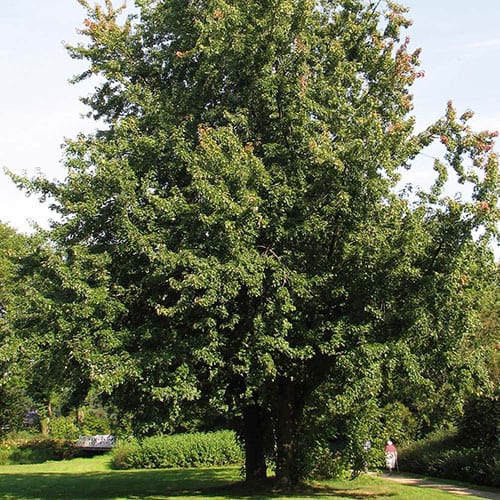
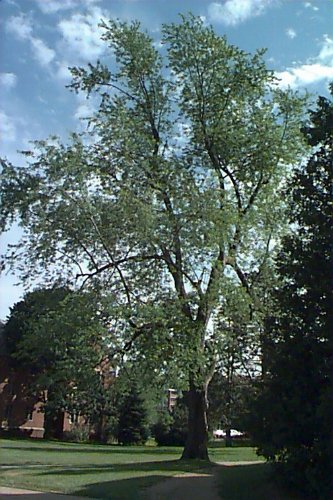
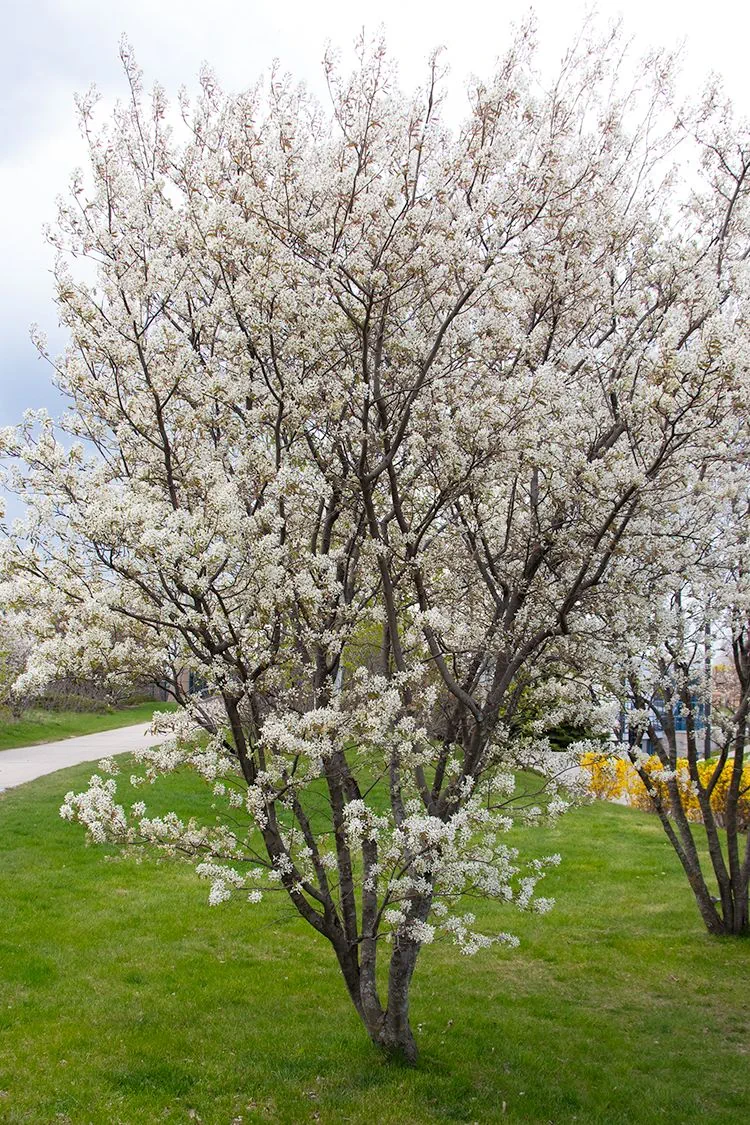
- Appearance: Features smooth, slate-gray bark with white stripes and a multi-trunked or upright vase-shaped habit.
-
Seasonal Interest:
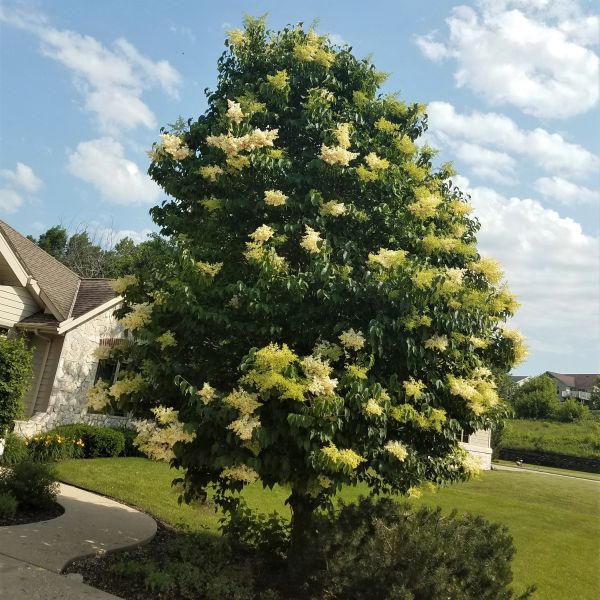
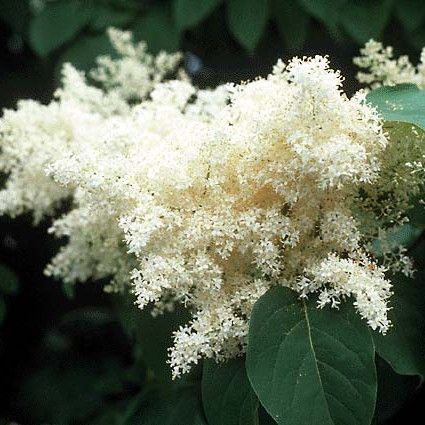
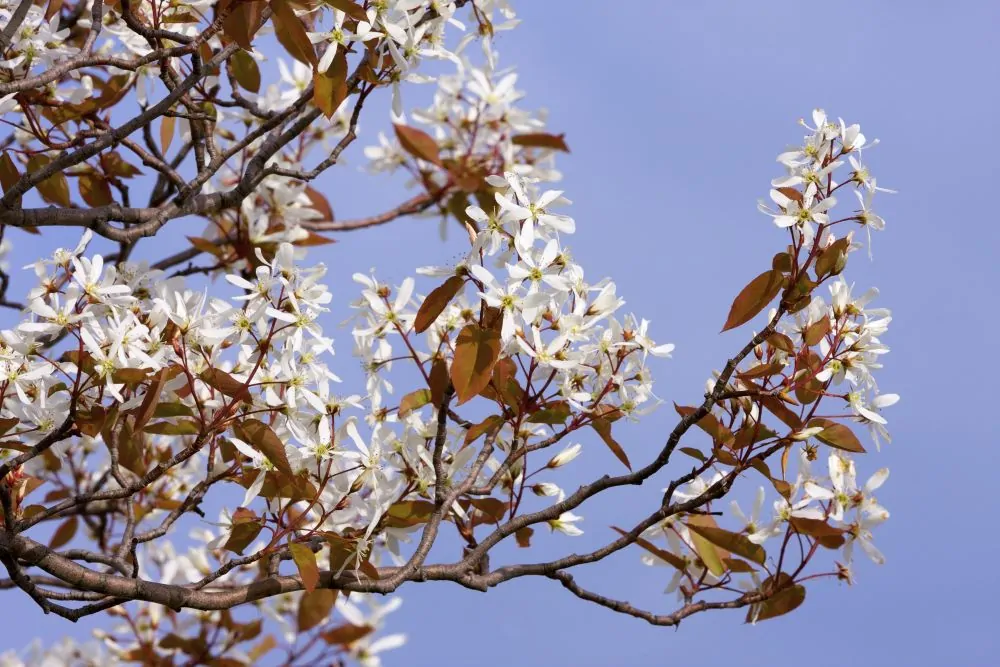
- Spring: Drooping clusters of slightly fragrant white flowers appear in April, often alongside bronze-purple new leaf growth.
- Summer: Produces sweet, juicy blue-black berries (pomes) that resemble blueberries in taste and appearance.
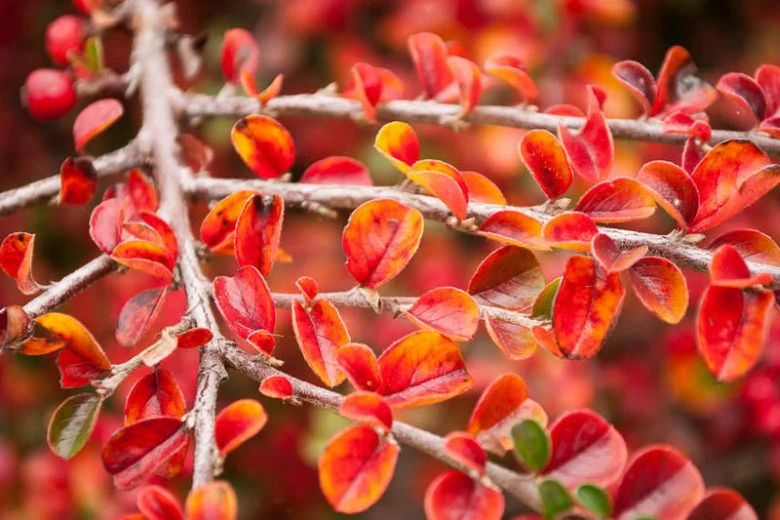
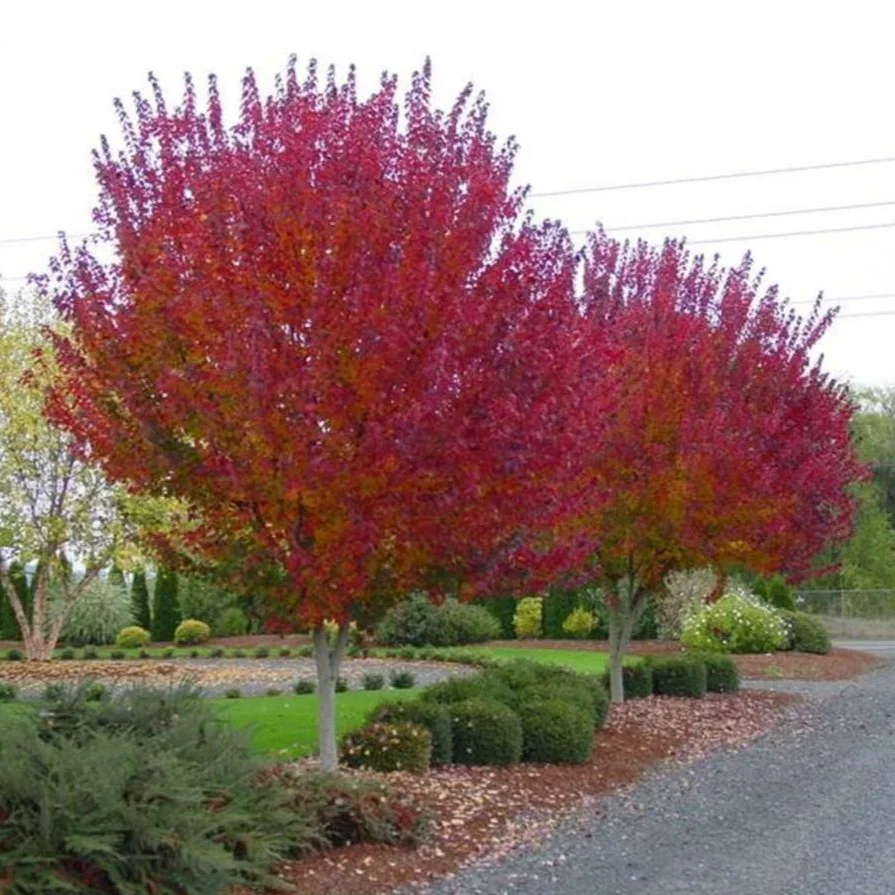
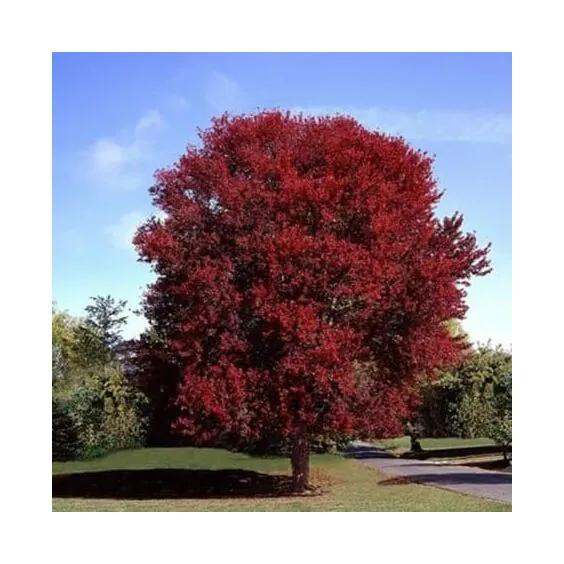
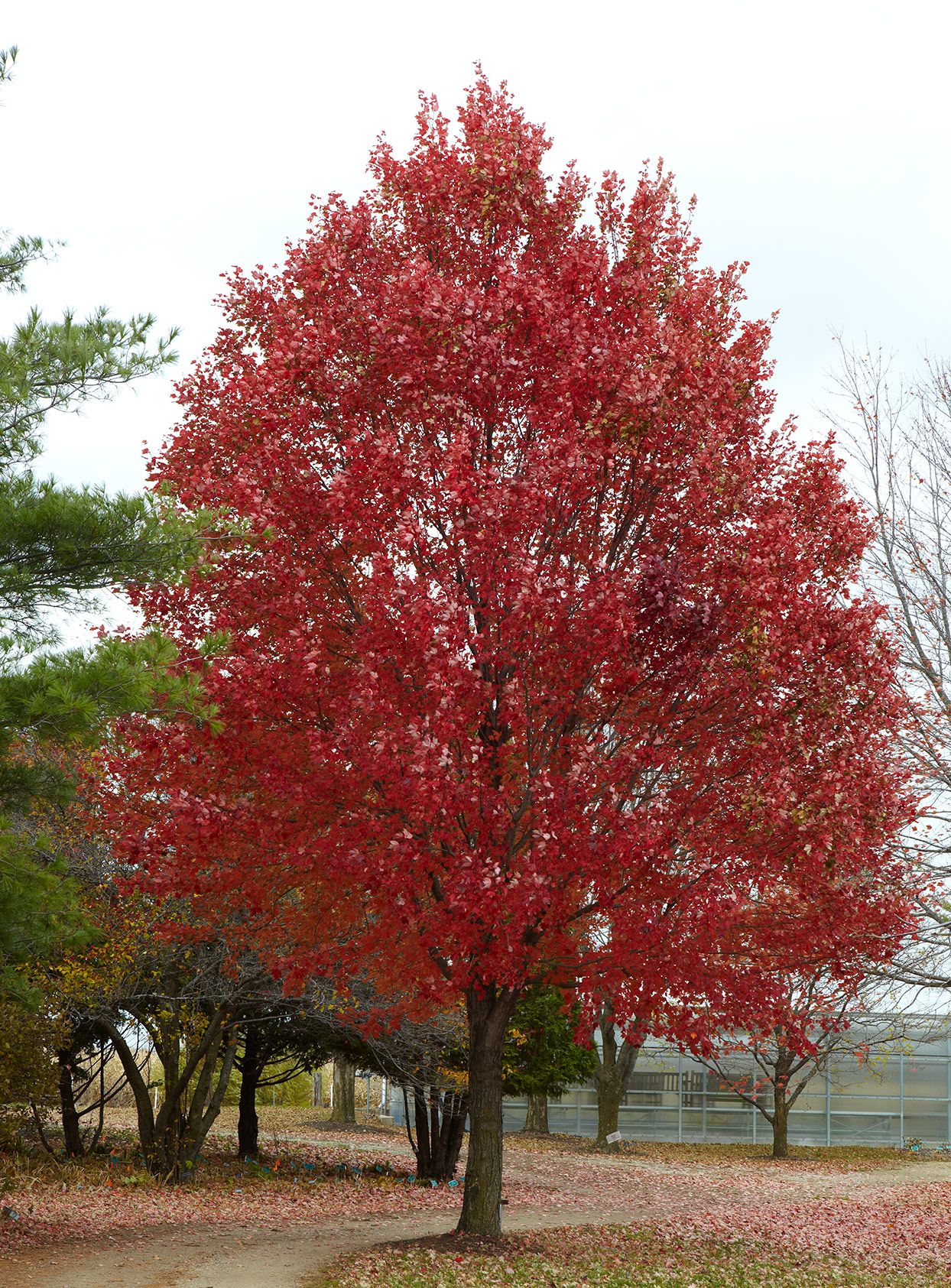
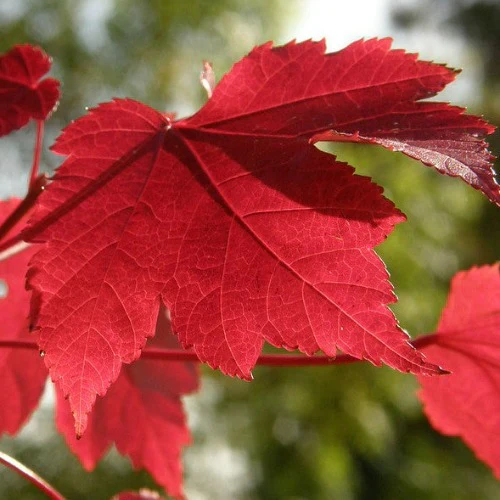
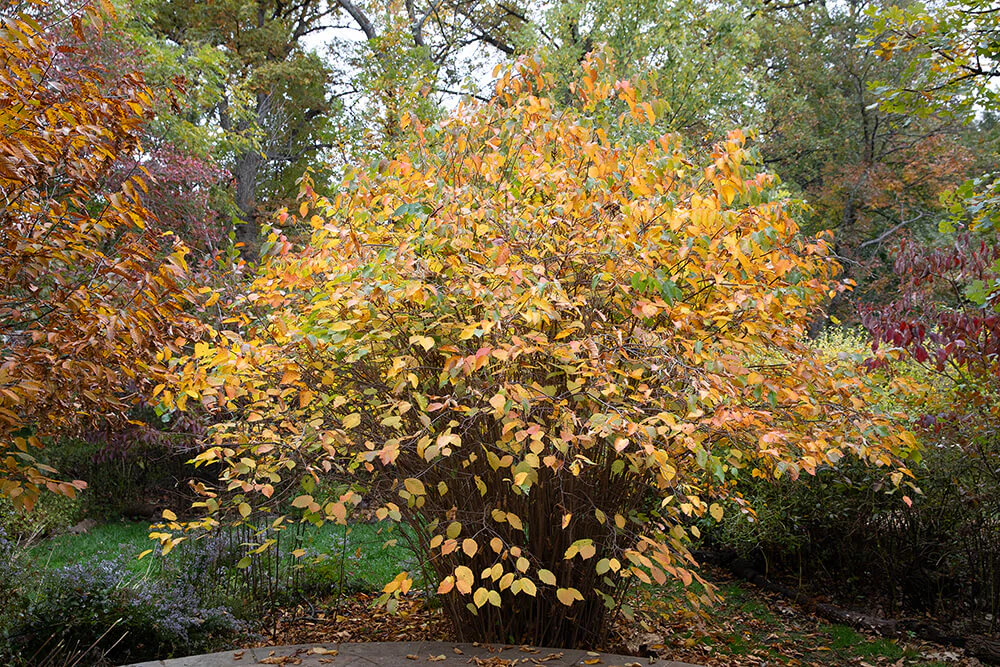
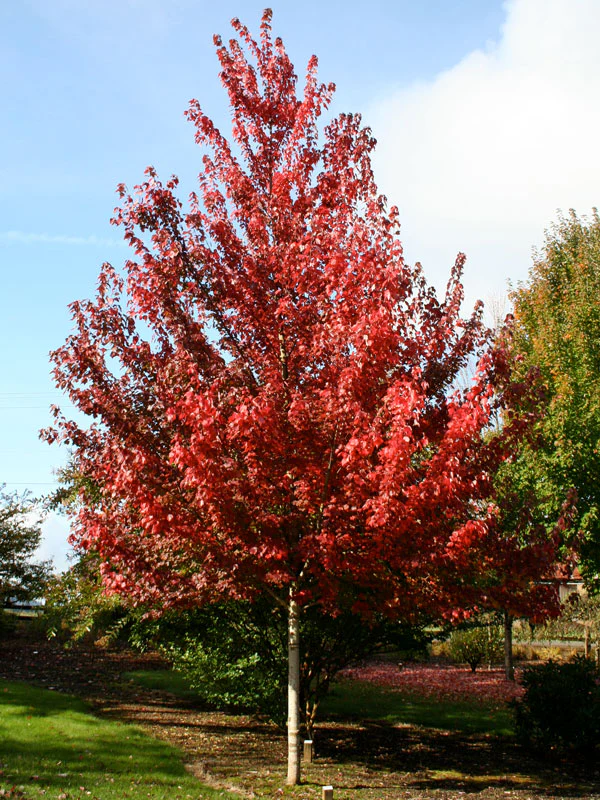
- Fall: Leaves turn brilliant shades of orange, yellow, and fiery red.
- Winter: Its architectural gray bark provides structure and visual interest in snowy landscapes.
- Light: Prefers full sun to partial shade, though it can tolerate full shade.
- Soil: Thrives in moist, well-drained, acidic loams but is adaptable to clay and sandy soils.
-
Maintenance: Low maintenance once established. It is sensitive to drought and may require regular watering during dry spells.
- Human Use: The berries are excellent for fresh eating or for use in jams, jellies, pies, and syrups.
- Landscape Utility: Frequently used as a specimen tree, in woodland gardens, or as a native substitute for the invasive Callery Pear. It is also Juglone tolerant, meaning it can grow near black walnut trees
Original: $105.00
-65%$105.00
$36.75More Images
Serviceberry, Alleghany (bundles of 25)
Allegheny serviceberry
(Amelanchier laevis) is a versatile, multi-season native tree or large shrub prized for its edible and ornamental value. Often reaching heights of 15 to 25 feet, it is widely used in residential landscapes for its showy spring flowers and vibrant autumn foliage.
- Common Names: Juneberry, Smooth Serviceberry, Shadblow, or Shadbush.
- Appearance: Features smooth, slate-gray bark with white stripes and a multi-trunked or upright vase-shaped habit.
-
Seasonal Interest:
- Spring: Drooping clusters of slightly fragrant white flowers appear in April, often alongside bronze-purple new leaf growth.
- Summer: Produces sweet, juicy blue-black berries (pomes) that resemble blueberries in taste and appearance.
- Fall: Leaves turn brilliant shades of orange, yellow, and fiery red.
- Winter: Its architectural gray bark provides structure and visual interest in snowy landscapes.
- Light: Prefers full sun to partial shade, though it can tolerate full shade.
- Soil: Thrives in moist, well-drained, acidic loams but is adaptable to clay and sandy soils.
-
Maintenance: Low maintenance once established. It is sensitive to drought and may require regular watering during dry spells.
- Human Use: The berries are excellent for fresh eating or for use in jams, jellies, pies, and syrups.
- Landscape Utility: Frequently used as a specimen tree, in woodland gardens, or as a native substitute for the invasive Callery Pear. It is also Juglone tolerant, meaning it can grow near black walnut trees
Product Information
Product Information
Shipping & Returns
Shipping & Returns
Description
Allegheny serviceberry
(Amelanchier laevis) is a versatile, multi-season native tree or large shrub prized for its edible and ornamental value. Often reaching heights of 15 to 25 feet, it is widely used in residential landscapes for its showy spring flowers and vibrant autumn foliage.
- Common Names: Juneberry, Smooth Serviceberry, Shadblow, or Shadbush.
- Appearance: Features smooth, slate-gray bark with white stripes and a multi-trunked or upright vase-shaped habit.
-
Seasonal Interest:
- Spring: Drooping clusters of slightly fragrant white flowers appear in April, often alongside bronze-purple new leaf growth.
- Summer: Produces sweet, juicy blue-black berries (pomes) that resemble blueberries in taste and appearance.
- Fall: Leaves turn brilliant shades of orange, yellow, and fiery red.
- Winter: Its architectural gray bark provides structure and visual interest in snowy landscapes.
- Light: Prefers full sun to partial shade, though it can tolerate full shade.
- Soil: Thrives in moist, well-drained, acidic loams but is adaptable to clay and sandy soils.
-
Maintenance: Low maintenance once established. It is sensitive to drought and may require regular watering during dry spells.
- Human Use: The berries are excellent for fresh eating or for use in jams, jellies, pies, and syrups.
- Landscape Utility: Frequently used as a specimen tree, in woodland gardens, or as a native substitute for the invasive Callery Pear. It is also Juglone tolerant, meaning it can grow near black walnut trees