Persimmon (bundles of 25)
Persimmon - Diospyros Virginiana
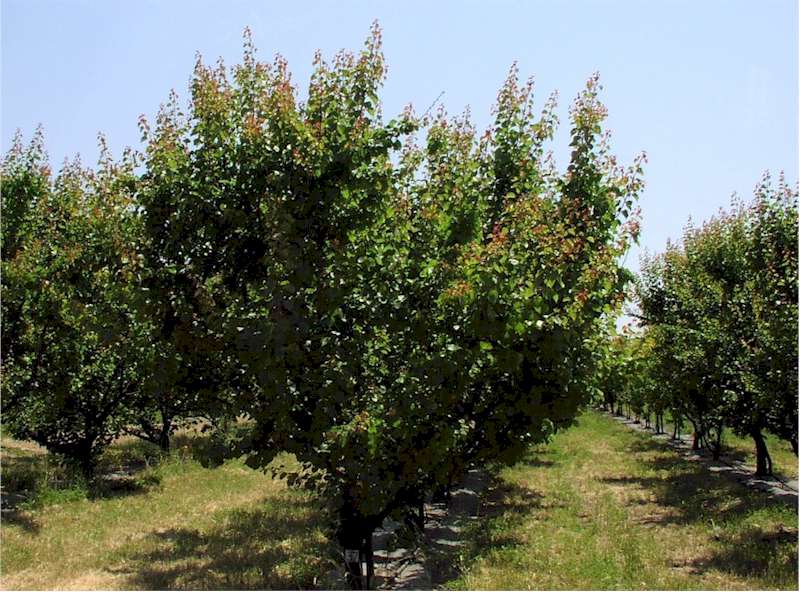
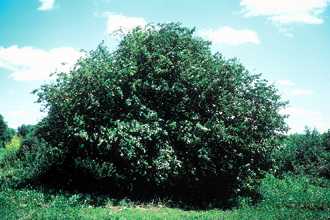
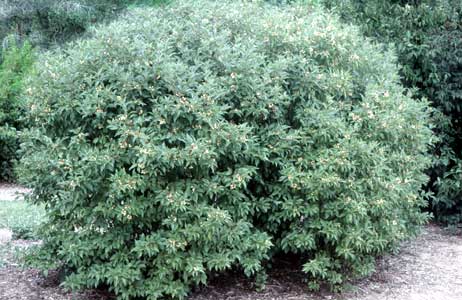
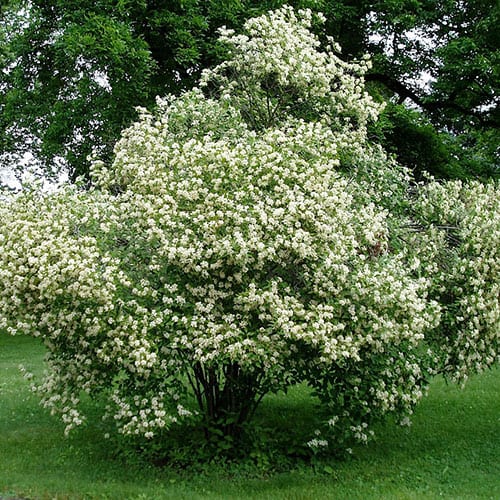
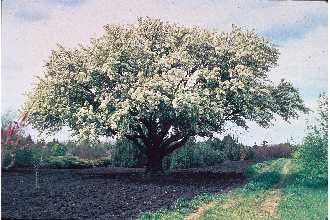
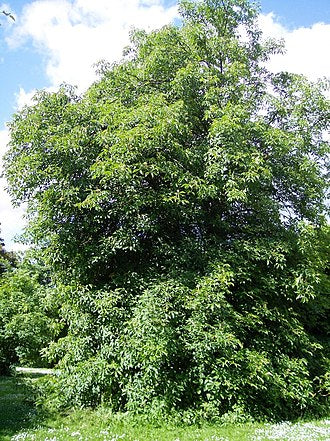
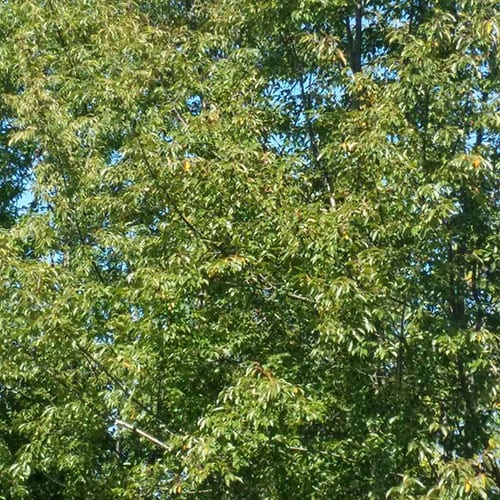
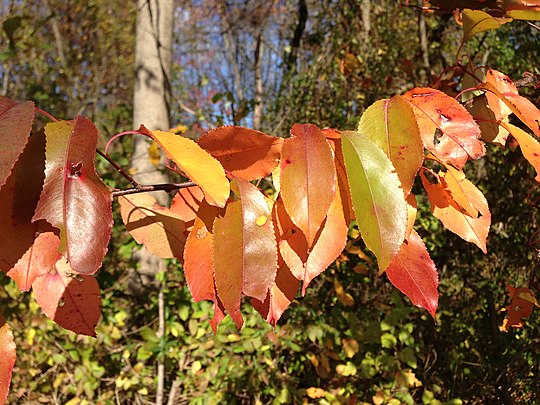
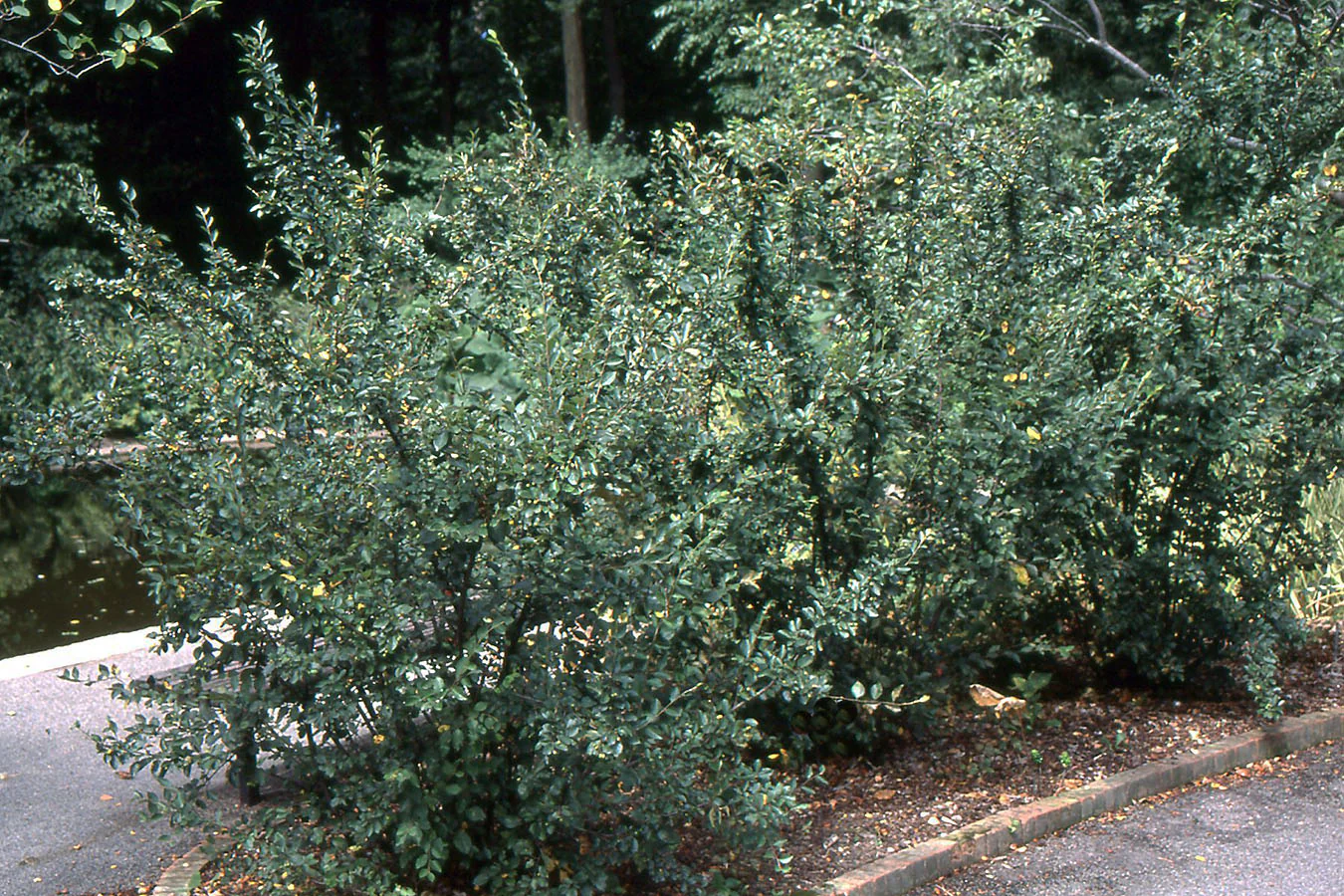
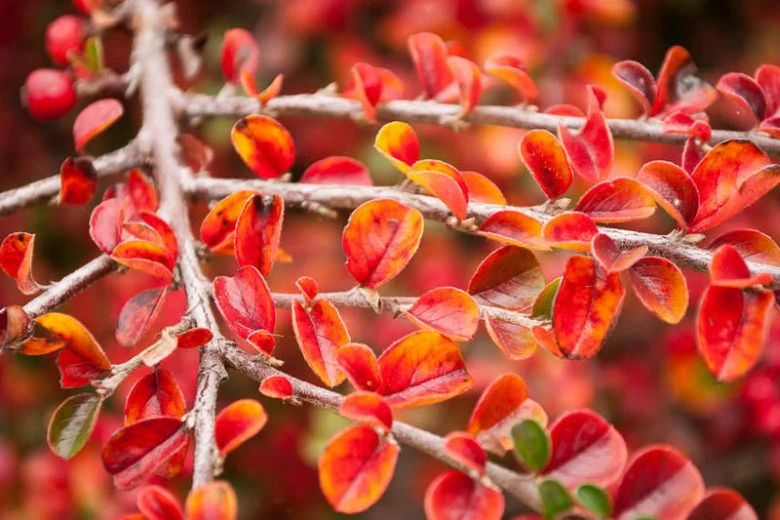
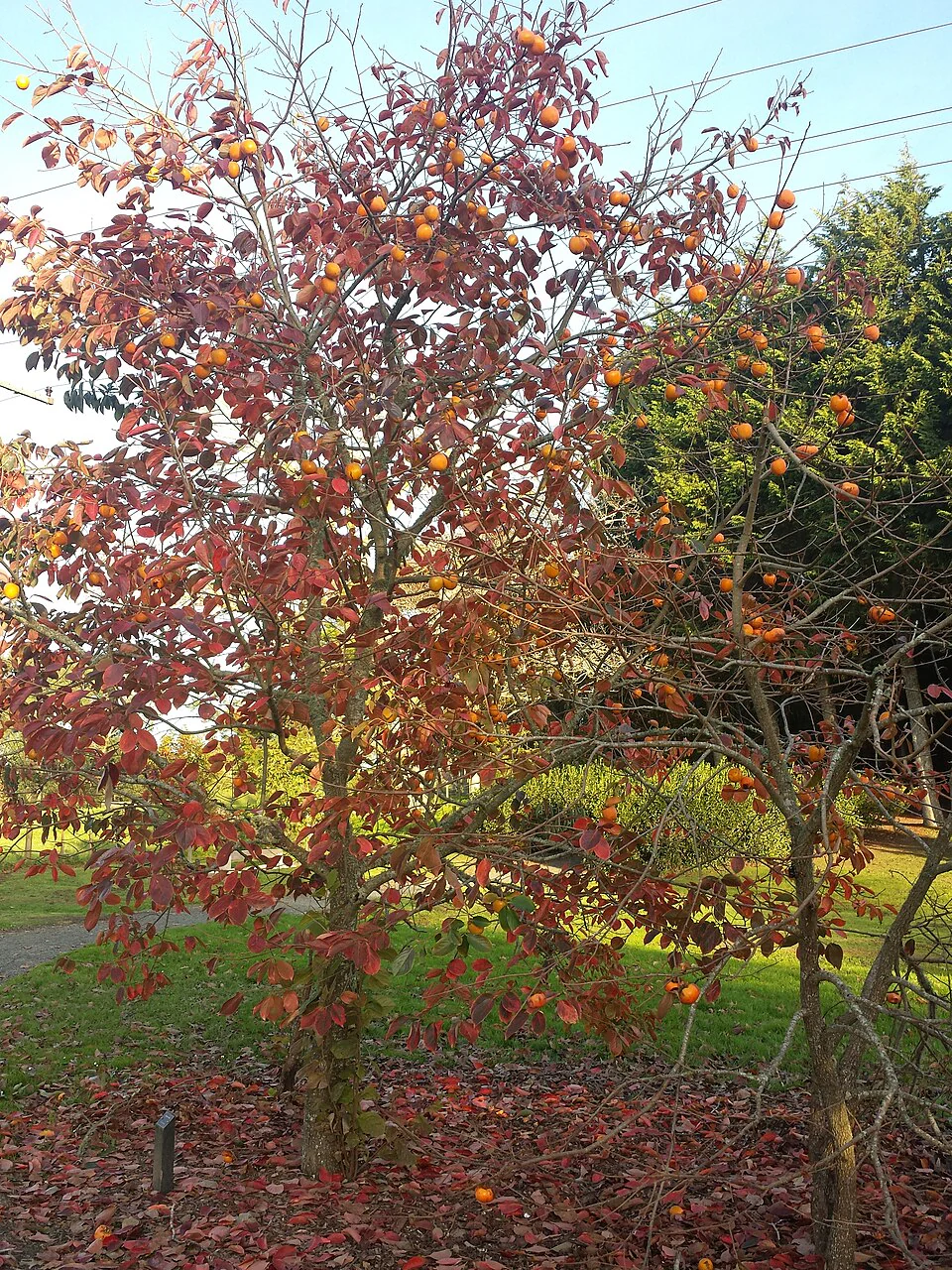
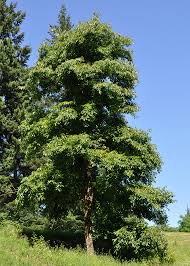
Like the tomato, the persimmon is not a berry in the general culinary sense, but its morphology as a single fleshy fruit derived from the ovary of a single flower means it is a berry in the botanical sense. The tree Diospyros kaki is the most widely cultivated species of persimmon. Typically the tree reaches 4.5 to 18 metres (15 to 60 feet) in height and is round-topped.[1] It usually stands erect, but sometimes can be crooked or have a willowy appearance.[1] The leaves are 7–15 centimetres (3–6 inches) long, and are oblong in shape with brown-hairy petioles 2 cm (3⁄4 in) in length.[1] They are leathery and glossy on the upper surface, brown and silky underneath.[1] The leaves are deciduous and bluish-green in color. In autumn, they turn to yellow, orange, or red.[1]
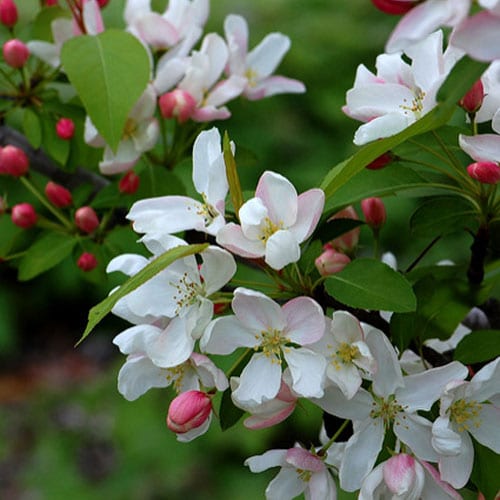
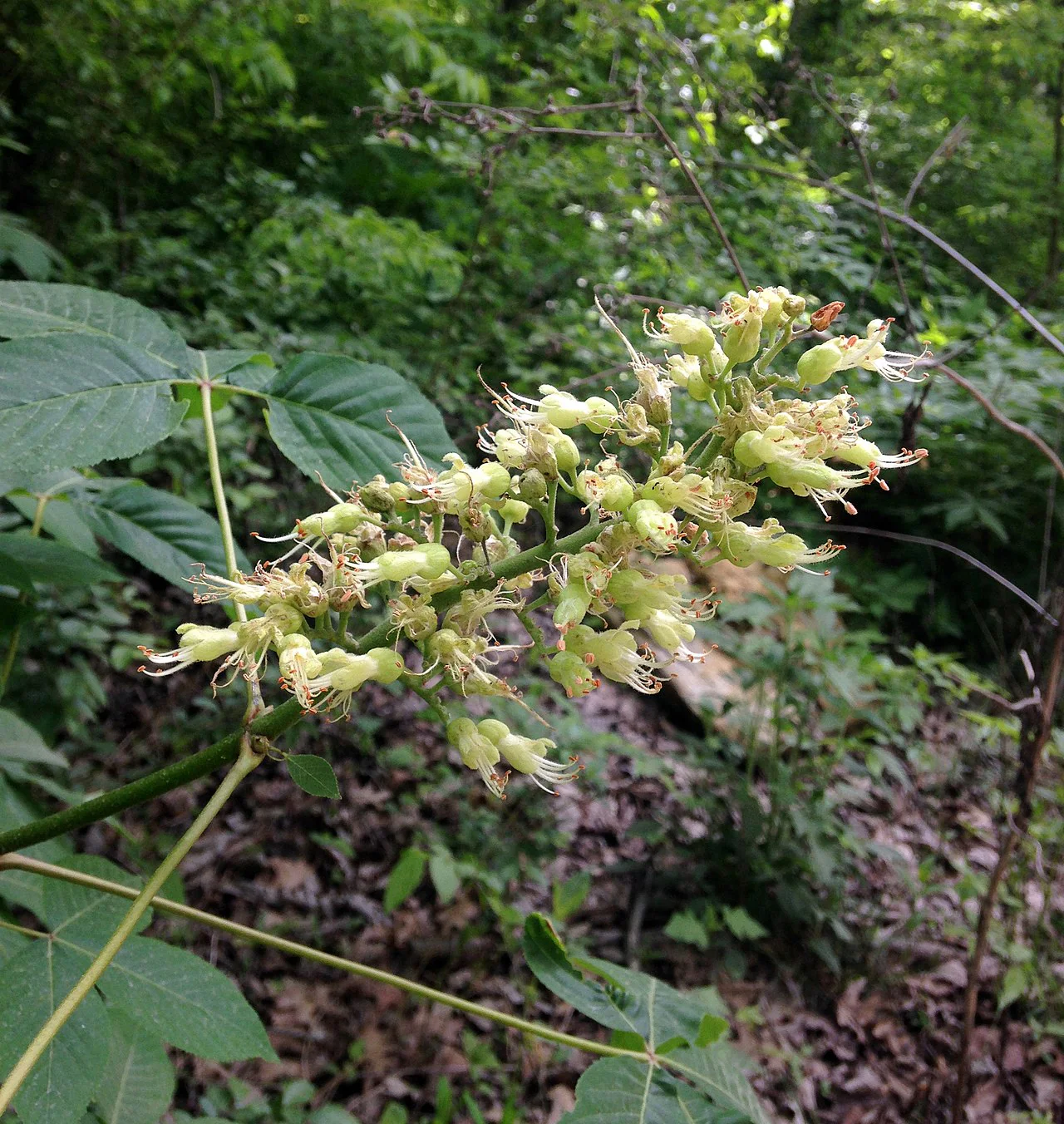
Persimmon trees are typically dioecious,[2] meaning male and female flowers are produced on separate trees.[1] Some trees have both male and female flowers and in rare cases may bear a perfect flower, which contains both male and female reproductive organs in one flower.[2] Male flowers are pink[2] and appear in groups of three.[1] They have a four-parted calyx, a corolla, and 24 stamens in two rows.[1] Female flowers are creamy-white[2] and appear singly.[1] They have a large calyx, a four-parted, yellow corolla, eight undeveloped stamens, and a rounded ovary bearing the style and stigma.[1] 'Perfect' flowers are a cross between the two.[1][2]
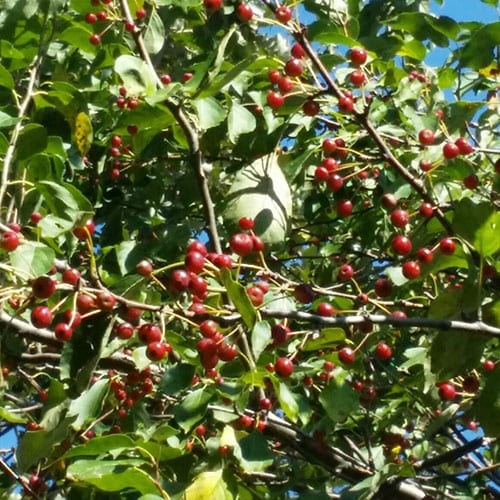
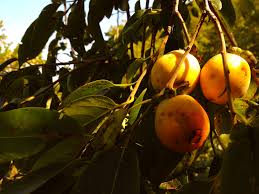
Persimmon fruit matures late in the fall and can stay on the tree until winter.[2] In color, the ripe fruit of the cultivated strains range from glossy light yellow-orange to dark red-orange depending on the species and variety.[1] They similarly vary in size from 1.5 to 9 cm (1⁄2 to 3+1⁄2 in) in diameter, and in shape the varieties may be spherical, acorn-, or pumpkin-shaped.[3] The flesh is astringent until fully ripe and is yellow, orange, or dark-brown in color.[1] The calyx generally remains attached to the fruit after harvesting, but becomes easy to remove once the fruit is ripe. The ripe fruit is high in sugars, mainly sucrose, fructose and glucose, and is sweet in taste.
Original: $114.00
-65%$114.00
$39.90More Images
Persimmon (bundles of 25)
Persimmon - Diospyros Virginiana
Like the tomato, the persimmon is not a berry in the general culinary sense, but its morphology as a single fleshy fruit derived from the ovary of a single flower means it is a berry in the botanical sense. The tree Diospyros kaki is the most widely cultivated species of persimmon. Typically the tree reaches 4.5 to 18 metres (15 to 60 feet) in height and is round-topped.[1] It usually stands erect, but sometimes can be crooked or have a willowy appearance.[1] The leaves are 7–15 centimetres (3–6 inches) long, and are oblong in shape with brown-hairy petioles 2 cm (3⁄4 in) in length.[1] They are leathery and glossy on the upper surface, brown and silky underneath.[1] The leaves are deciduous and bluish-green in color. In autumn, they turn to yellow, orange, or red.[1]
Persimmon trees are typically dioecious,[2] meaning male and female flowers are produced on separate trees.[1] Some trees have both male and female flowers and in rare cases may bear a perfect flower, which contains both male and female reproductive organs in one flower.[2] Male flowers are pink[2] and appear in groups of three.[1] They have a four-parted calyx, a corolla, and 24 stamens in two rows.[1] Female flowers are creamy-white[2] and appear singly.[1] They have a large calyx, a four-parted, yellow corolla, eight undeveloped stamens, and a rounded ovary bearing the style and stigma.[1] 'Perfect' flowers are a cross between the two.[1][2]
Persimmon fruit matures late in the fall and can stay on the tree until winter.[2] In color, the ripe fruit of the cultivated strains range from glossy light yellow-orange to dark red-orange depending on the species and variety.[1] They similarly vary in size from 1.5 to 9 cm (1⁄2 to 3+1⁄2 in) in diameter, and in shape the varieties may be spherical, acorn-, or pumpkin-shaped.[3] The flesh is astringent until fully ripe and is yellow, orange, or dark-brown in color.[1] The calyx generally remains attached to the fruit after harvesting, but becomes easy to remove once the fruit is ripe. The ripe fruit is high in sugars, mainly sucrose, fructose and glucose, and is sweet in taste.
Product Information
Product Information
Shipping & Returns
Shipping & Returns
Description
Persimmon - Diospyros Virginiana
Like the tomato, the persimmon is not a berry in the general culinary sense, but its morphology as a single fleshy fruit derived from the ovary of a single flower means it is a berry in the botanical sense. The tree Diospyros kaki is the most widely cultivated species of persimmon. Typically the tree reaches 4.5 to 18 metres (15 to 60 feet) in height and is round-topped.[1] It usually stands erect, but sometimes can be crooked or have a willowy appearance.[1] The leaves are 7–15 centimetres (3–6 inches) long, and are oblong in shape with brown-hairy petioles 2 cm (3⁄4 in) in length.[1] They are leathery and glossy on the upper surface, brown and silky underneath.[1] The leaves are deciduous and bluish-green in color. In autumn, they turn to yellow, orange, or red.[1]
Persimmon trees are typically dioecious,[2] meaning male and female flowers are produced on separate trees.[1] Some trees have both male and female flowers and in rare cases may bear a perfect flower, which contains both male and female reproductive organs in one flower.[2] Male flowers are pink[2] and appear in groups of three.[1] They have a four-parted calyx, a corolla, and 24 stamens in two rows.[1] Female flowers are creamy-white[2] and appear singly.[1] They have a large calyx, a four-parted, yellow corolla, eight undeveloped stamens, and a rounded ovary bearing the style and stigma.[1] 'Perfect' flowers are a cross between the two.[1][2]
Persimmon fruit matures late in the fall and can stay on the tree until winter.[2] In color, the ripe fruit of the cultivated strains range from glossy light yellow-orange to dark red-orange depending on the species and variety.[1] They similarly vary in size from 1.5 to 9 cm (1⁄2 to 3+1⁄2 in) in diameter, and in shape the varieties may be spherical, acorn-, or pumpkin-shaped.[3] The flesh is astringent until fully ripe and is yellow, orange, or dark-brown in color.[1] The calyx generally remains attached to the fruit after harvesting, but becomes easy to remove once the fruit is ripe. The ripe fruit is high in sugars, mainly sucrose, fructose and glucose, and is sweet in taste.